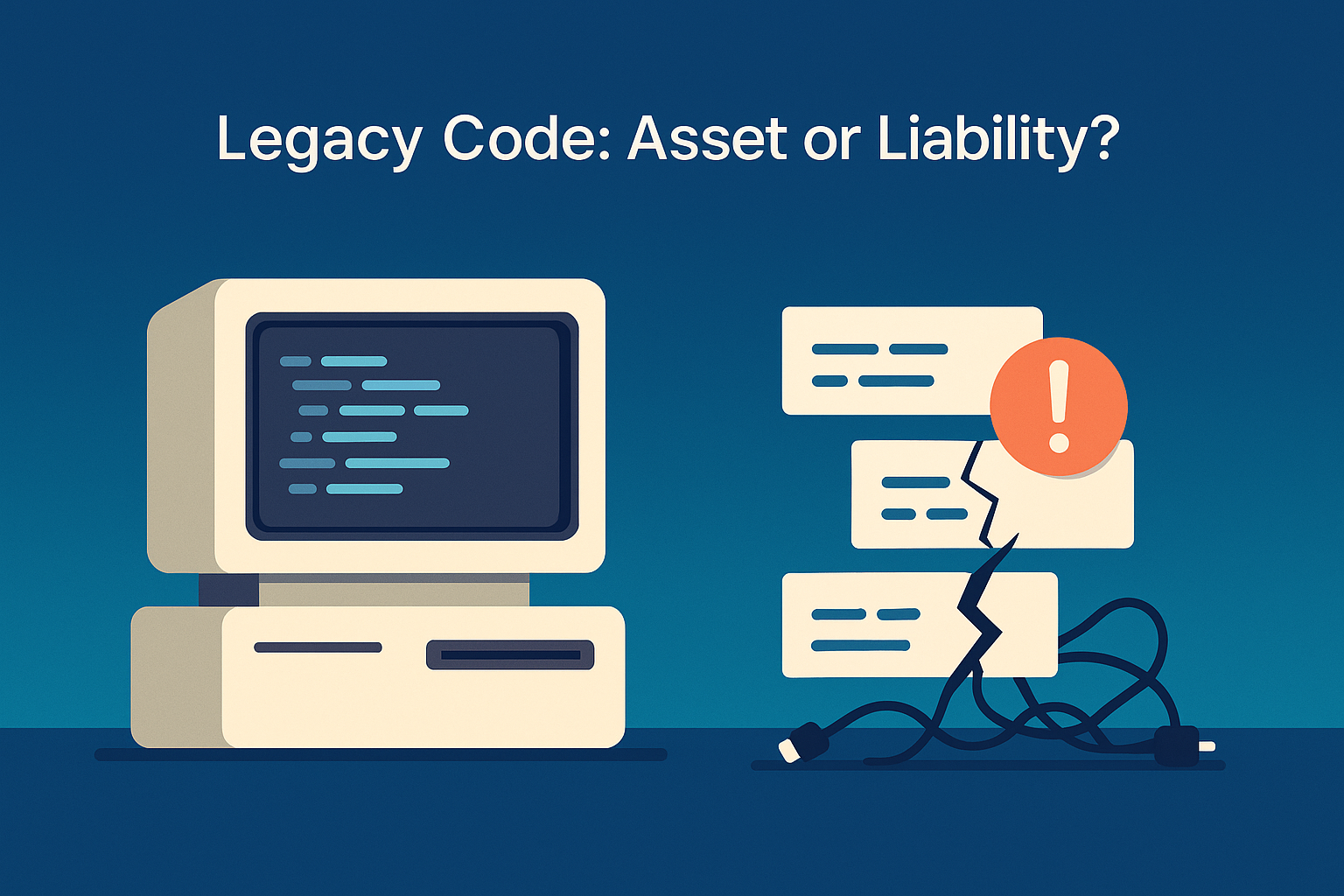
Before You Rewrite: 5 Questions That Stop Teams from Burning It All Down



Introduction:
Let’s be honest: there’s something oddly satisfying about scrapping old processes and starting fresh. The allure of a clean slate can be irresistible—especially when systems feel clunky, slow, or outdated. But here’s the catch: restarts rarely fix root problems.
Too often, rewriting is a reactive move that masks deeper, underlying issues. Without thoughtful reflection, your new shiny solution could be tomorrow’s legacy problem.
So, before pulling the plug and diving into a full rewrite—whether it's code, process, or strategy—hit pause and ask these five questions:
1. 🔍 Are We Aligned on the Core Objectives?
Sometimes rewrites are triggered by shiny-object syndrome. A team sees a slick new tool, a competitor’s playbook, or hears a trendy buzzword and suddenly, everyone wants to rebuild.
But before jumping in, ask: What are we really trying to achieve? Is it speed? Scalability? Better collaboration? Or just following what looks cool?
Alignment on outcomes is critical. If your team isn’t rowing in the same direction, no amount of rewriting will steer you to success.
2. 🛑 Is the Problem Rooted in Process or People?
Here’s a hard truth: not every problem is about tech or tools. Sometimes, the real issue is poor communication, vague roles, or conflict avoidance.
If the team’s struggling, it may not be because the process is broken—it might be that people aren’t having the tough, necessary conversations.
Ask: Are we trying to fix a people issue with a systems solution? If so, rewriting might just be a very expensive band-aid.
3. 🤝 Do We Truly Understand the Pain Points?
Making assumptions about what's wrong can lead to “solutions” no one actually asked for. You might think the issue is a slow system, but maybe users are just lacking proper training. Or perhaps the process seems broken only because it’s misunderstood.
Have you asked everyone involved—from stakeholders to end-users—what’s really going on? Understanding real-world friction points from every angle helps you fix what matters, not what’s easiest.
4. 📝 Do We Have Clear Metrics for Success?
Rewriting for the sake of change rarely delivers lasting value. Without defining what success looks like, how will you know the new version is any better?
Ask: What will be different when this is successful? Are we aiming for faster cycle times, better UX, fewer support tickets, higher engagement?
Without these metrics, you risk creating a new system that’s just as flawed—only newer.
5. 🚧 Are We Tackling Systemic Issues or Just the Symptoms?
It's easy to blame the tool or platform when things feel broken. But sometimes, issues are systemic—embedded deep in the company’s culture, leadership style, or structure.
For example:
- A team keeps missing deadlines. Is the problem the task management tool… or unrealistic timelines from leadership?
- A system keeps failing. Is it poor architecture… or a lack of test coverage and maintenance culture?
Ask: Is this change addressing the system—or just applying lipstick to the symptom?
💡 Moving Forward: Rewrite with Intention, Not Impulse
Look, rewrites aren’t inherently bad. Sometimes they are necessary. But when they’re used as a shortcut to avoid deeper introspection, they become costly detours.
Before you hit reset, lead with curiosity, not code. Take time to reflect, ask questions, and listen to the people closest to the work. That’s how you ensure transformation is rooted in reality—not just hope.
Because in the end, lasting change doesn’t come from fresh starts—it comes from clear-eyed understanding.