
Why Users Fear Modernization More Than Downtime - And How to Win Their Trust


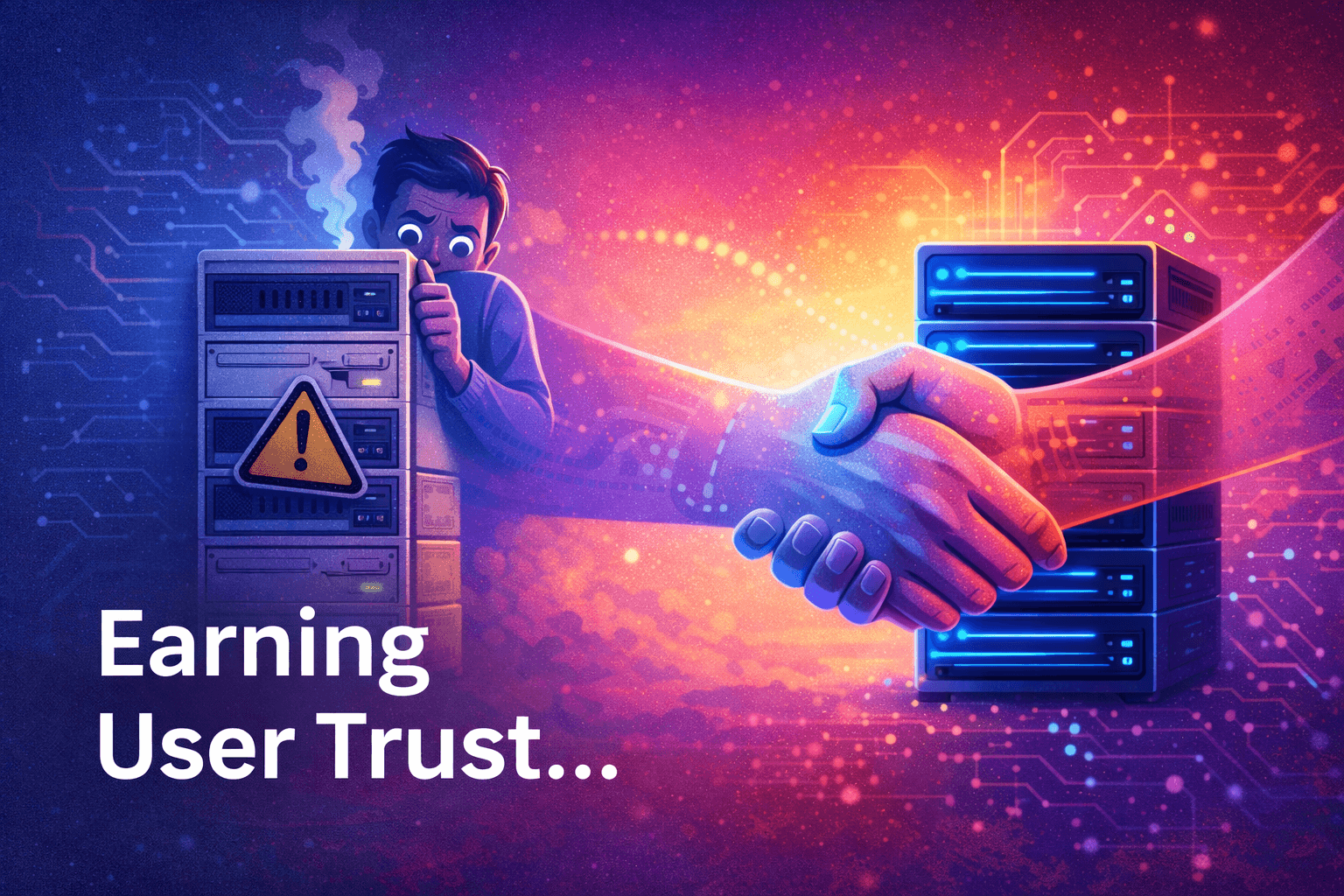
When leaders plan modernization, their biggest worry is usually downtime. Servers going offline, systems crashing, operations grinding to a halt — these are visible failures that feel risky and expensive.
But in real organizations, something more subtle often causes more damage: users fear change itself more than a temporary outage.
This fear doesn’t come from technology. It comes from disruption to habits, routines, and confidence.
The Psychology Behind Resistance
Most users don’t experience systems as “legacy” or “modern.” They experience them as familiar or unfamiliar.
A ten-year-old system with clunky workflows is still predictable. People know where to click. They’ve memorized workarounds. They’ve built their own mental models to survive the imperfections. When modernization arrives, all of that disappears overnight.
Even if the new system is technically superior, it removes control at the moment people feel they need it most. That emotional response is why teams often say:
- “The old system was slow, but at least we understood it.”
- “I feel lost in the new interface.”
- “Why did they change something that was working?”
From a leadership perspective, modernization looks like progress. From a user perspective, it looks like risk.
Why Downtime Feels Safer Than Change
Downtime is painful, but it’s finite. Everyone knows it will end.
Modernization, on the other hand, changes how people work every single day. It challenges competence. It exposes skill gaps. It creates fear of making mistakes in front of peers or customers.
That fear compounds silently:
- Productivity drops.
- Shadow processes emerge in Excel or WhatsApp.
- Trust in the system erodes even if performance improves.
This is how technically successful projects fail in the real world.
How to Win User Trust During Modernization
The success of modernization is measured less by architecture diagrams and more by how safe users feel navigating the new world.
Here are four ways to design modernization around people, not just platforms.
1. Be Radically Transparent
Silence creates rumors. Rumors create resistance.
Instead of announcing a finished solution, share the journey:
- What is changing and why
- What will stay the same
- What is uncertain
- What feedback has already influenced decisions
When users feel included early, they stop fearing the unknown and start shaping it.
2. Design for Confidence, Not Just Capability
A modern interface that looks impressive but confuses daily tasks is a failure.
Prioritize:
- Familiar terminology where possible
- Gradual transitions instead of hard resets
- Clear error messages that explain what went wrong
Every interaction should make the user feel smarter — not slower.
3. Build a Support Safety Net
Training is not an event. It is a relationship.
Offer:
- Short role-specific walkthroughs
- Office hours or internal champions
- A simple way to ask questions without embarrassment
When people know help is always available, they experiment instead of resisting.
4. Create Real Feedback Loops
Listening is not collecting complaints. It is showing change.
Track what users struggle with and visibly act on it. Even small adjustments signal something powerful:
“This system belongs to you, not to IT.”
Modernization Is a Trust Project
The biggest mistake organizations make is treating modernization as a technical upgrade.
It isn’t.
It is a trust migration.
You are not just moving data from old systems to new ones — you are moving habits, identities, and confidence. Handle that with care, and users become your strongest advocates. Ignore it, and even the best system will feel like a failure.
In the end, modernization doesn’t succeed when the servers go live.
It succeeds when users stop missing the old system.